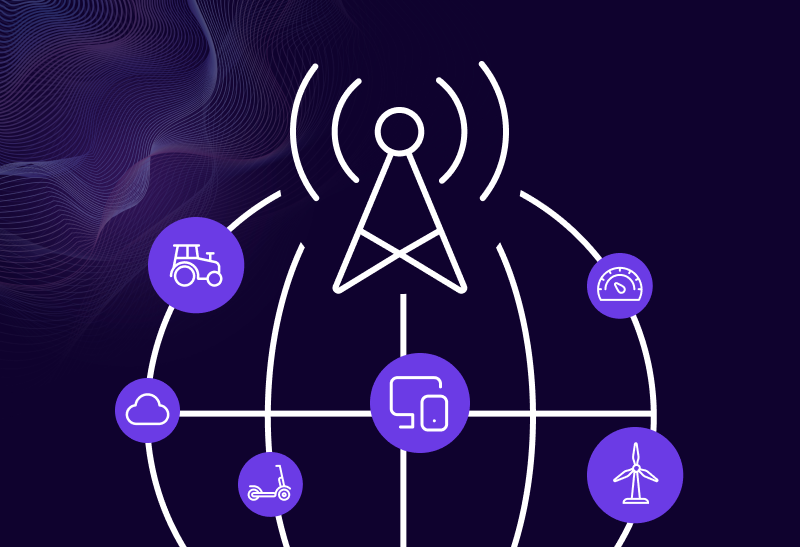
Exploring the Pros and Cons of Wired vs. Wireless Connectivity in Modern Homes
In recent years, the debate between wired and wireless connectivity in modern homes has intensified as technology evolves. One of the most significant advantages of wired connections is their reliability. Wired networks typically offer faster data transfer rates and a more stable connection, which is essential for activities such as streaming high-definition content, online gaming, or remote work. Additionally, wired connections are less susceptible to interference from other electronic devices or physical obstructions. Ultimately, a wired network can provide a performance edge that is hard to match, especially in households with multiple connected devices.
On the other hand, wireless connectivity provides unparalleled convenience and flexibility. Setting up a wireless network eliminates the need for complex cabling, allowing easy access to the internet throughout your home. Mobile devices, laptops, and smart home gadgets can connect seamlessly without being tethered to a specific location. However, this convenience can come at a cost: wireless networks may suffer from reduced speeds due to distance from the router or interference, leading to frustrating user experiences. Carefully weighing the pros and cons of each option can help homeowners make informed decisions about the best connectivity solutions for their specific needs.
Counter-Strike is a popular tactical first-person shooter game that has captivated millions of players around the world. The game's intense team-based gameplay and strategic depth make it a staple in the esports community. For those looking to enhance their gaming experience, check out the Top 10 USB C hubs for MacBook to ensure your setup is top-notch.
How Connectivity Shapes Our Daily Lives: Wired vs. Wireless
In today's fast-paced world, the way we connect shapes our daily experiences significantly. Connectivity can be divided into two main categories: wired and wireless. Wired connections, such as Ethernet cables, provide stable and high-speed internet, making them ideal for tasks that require reliability, such as streaming and gaming. Conversely, wireless technology allows for greater mobility, enabling users to connect to the internet effortlessly from various devices and locations. This flexibility has transformed how we interact with technology, emphasizing the importance of staying connected at all times.
Moreover, the choice between wired and wireless connectivity affects many aspects of our lives. For instance, while wired connections typically offer improved security and speed, wireless options are essential for portability and convenience. With the rise of smart homes and IoT devices, wireless connectivity plays a crucial role in our daily routines, allowing us to control appliances and systems from anywhere. Ultimately, the balance between these two forms of connectivity continues to shape our lifestyle, influencing how we work, socialize, and live overall.
Is Wireless Technology Outpacing Wired Connections? A Deep Dive
The rapid advancement of wireless technology has sparked a debate about whether it is outpacing its wired counterparts. With the proliferation of devices like smartphones, tablets, and IoT gadgets, the convenience of staying connected without physical limitations has become an essential part of our daily lives. In recent years, innovations such as 5G networks and improved Wi-Fi standards have significantly enhanced the speed and reliability of wireless connections, enabling users to stream high-definition content and engage in real-time online activities seamlessly. This shift towards wireless solutions is not merely a trend; it signifies a fundamental change in how we interact with technology and the internet.
Despite the compelling benefits of wireless technology, wired connections still hold certain advantages, particularly in stability and security. For instance, fiber-optic connections can provide faster data transmission speeds and are less susceptible to interference compared to their wireless counterparts. Additionally, users in environments where consistent bandwidth and minimal latency are crucial, such as in gaming or professional settings, may still prefer wired options. Ultimately, the choice between wired and wireless technology will depend on individual needs and contexts, making it clear that while wireless innovations are gaining ground, wired connections still have a vital role to play in our tech-driven world.