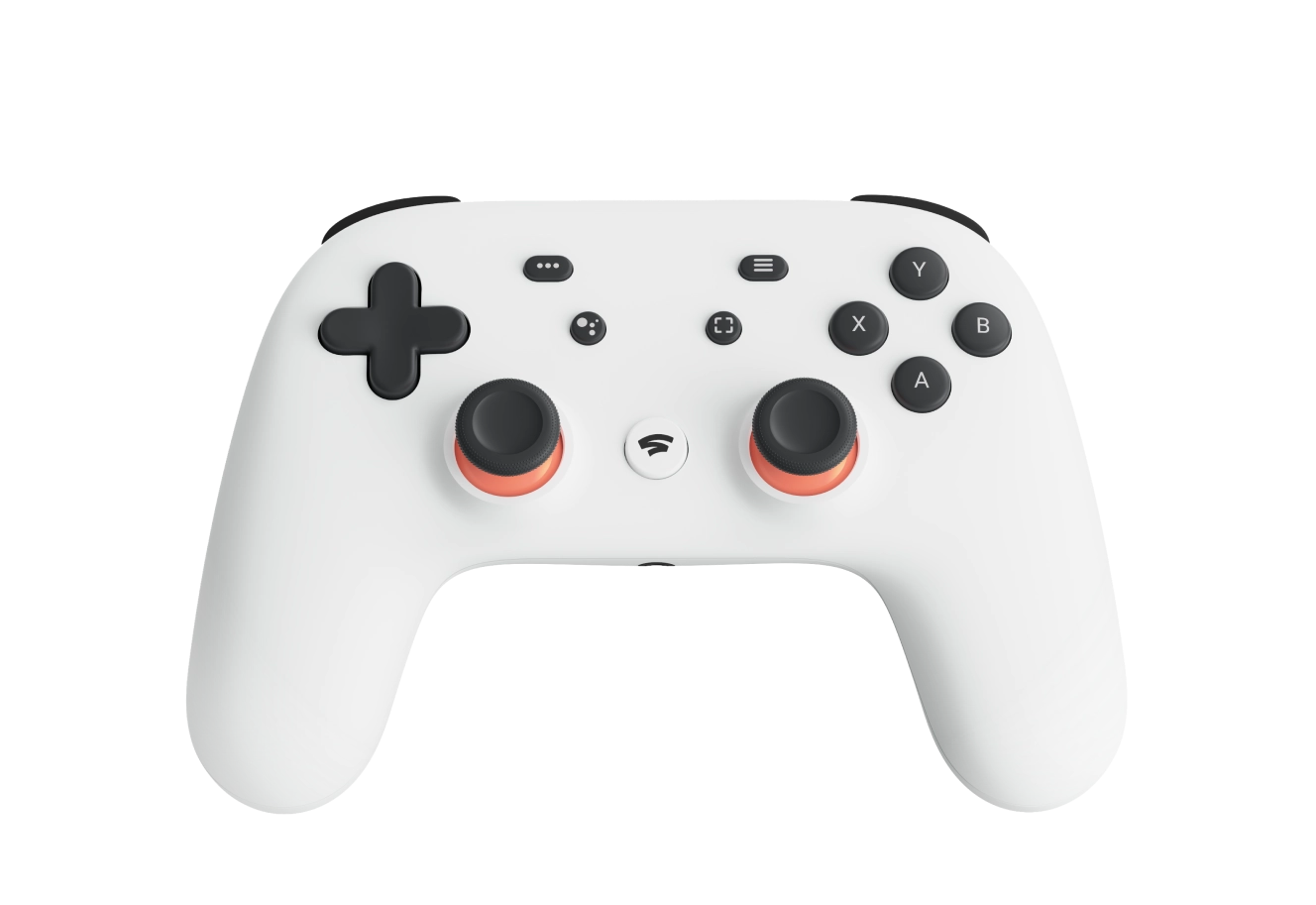
The History of Bluetooth Controllers: From Concept to Console
The concept of Bluetooth controllers dates back to the late 1990s, when the technology first emerged as a means to allow devices to communicate wirelessly over short distances. Initially designed for hands-free mobile communication, Bluetooth quickly evolved, capturing the attention of tech enthusiasts and developers. By the early 2000s, the potential for gaming applications became apparent, leading to the development of the first Bluetooth-enabled game controllers. These early models offered gamers the freedom of wireless play, eliminating the cumbersome wires that often restricted movement. Eventually, companies like Sony and Microsoft began to integrate Bluetooth technology into their gaming consoles, paving the way for a new era in gaming connectivity.
As technology advanced, the functionality of Bluetooth controllers continued to improve. With the launch of consoles like the PlayStation 3 in 2006 and the Xbox One in 2013, Bluetooth became the standard for gaming peripherals, offering low latency and high responsiveness, crucial for an optimal gaming experience. Furthermore, the rise of mobile gaming and the introduction of Bluetooth gamepads for smartphones exemplified the versatility of Bluetooth controllers. Today, these devices are not just limited to traditional consoles; they have expanded to support virtual reality systems, smart TVs, and personal computers. The journey from concept to console illustrates the significant impact of Bluetooth technology on the gaming landscape, enhancing how players interact with their favorite games.
Counter-Strike is a highly competitive first-person shooter game that has captivated gamers worldwide since its release. Players engage in tactical gameplay, where teams of terrorists and counter-terrorists face off on various maps. For those looking to elevate their gaming experience, check out the Top 10 apple tv gaming controllers to enhance your play style.
How Bluetooth Technology Revolutionized Gaming: A Deep Dive
Bluetooth technology has fundamentally transformed the gaming landscape, introducing enhanced portability and connectivity for players. Gone are the days of tangled wires and limited movement; with Bluetooth, gamers can connect their controllers, headsets, and other devices wirelessly, allowing for a more immersive and flexible gaming experience. This innovation has not only improved convenience but has also opened the door for cross-platform play, enabling players on different devices to join forces seamlessly. The ability to connect multiple devices simultaneously revolutionizes multiplayer gaming, fostering a more engaging social experience.
The impact of Bluetooth extends beyond just hardware connectivity; it has also inspired the development of new gaming experiences. With the rise of Bluetooth-enabled accessories—such as earbuds for spatial audio, motion controllers for virtual reality, and even smart wearables like fitness trackers—developers have begun to explore innovative gameplay mechanics that leverage these technologies. For instance, in-game actions can be directly influenced by a player's real-world movements or heart rate, creating a dynamic interaction between the player and the game. As Bluetooth technology continues to evolve, we can expect even greater advancements that will further enhance our gaming adventures.
Are Bluetooth Controllers the Future of Gaming? Exploring Trends and Predictions
The rise of technology has continuously shaped the gaming landscape, and Bluetooth controllers have emerged as a significant player in this evolution. These wireless devices offer gamers a level of convenience and flexibility that wired controllers simply cannot match. As trends indicate a move towards more mobile and cross-platform gaming experiences, many industry experts predict that Bluetooth controllers will dominate the market. With the advent of cloud gaming and the increasing popularity of mobile devices, the demand for Bluetooth controllers is likely to grow, making them an integral part of the future gaming experience.
Looking at the broader picture, the use of Bluetooth controllers aligns with current gaming trends that prioritize mobility and ease of use. Features such as reduced latency, ergonomic designs, and compatibility across multiple devices serve to enhance player engagement and satisfaction. As game developers continue to innovate and create more immersive experiences, the adaptability of Bluetooth controllers will likely position them as essential tools for gamers everywhere. In summary, the convergence of technology and gaming suggests that the future is indeed bright for Bluetooth controllers.