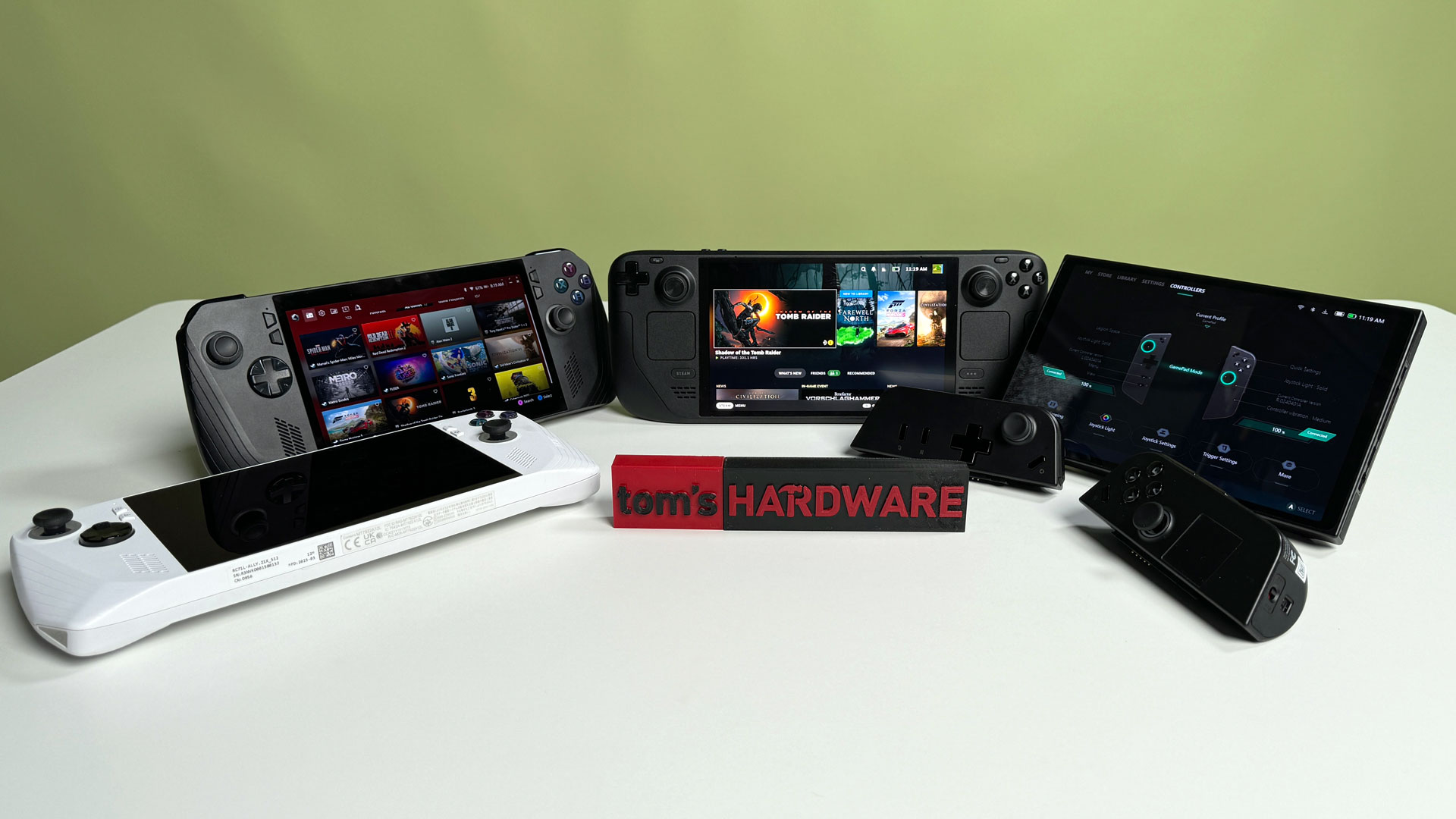
The Rise of Handheld Technology: How Small Devices are Revolutionizing Daily Life
The advent of handheld technology has dramatically changed the way we interact with the world around us. With devices such as smartphones, tablets, and e-readers becoming increasingly compact and powerful, we have access to a wealth of information and resources right at our fingertips. These small devices not only facilitate communication but also enhance productivity, allowing users to manage tasks, schedule appointments, and even conduct business on-the-go. In fact, a recent survey revealed that over 80% of adults rely on their handheld devices for everyday tasks, highlighting their importance in our daily lives.
Moreover, handheld technology has revolutionized various sectors, including education, healthcare, and entertainment. In classrooms, students utilize tablets to engage in interactive learning experiences, which promote deeper comprehension and collaboration. In the healthcare industry, portable devices assist professionals in providing timely patient care and access to critical medical information. Additionally, the entertainment sector has transformed with the rise of portable gaming consoles and streaming services, enabling users to enjoy content anytime, anywhere. The proliferation of these small devices signifies a major shift in how we operate in our personal and professional lives, thus marking a new era in technological advancement.
Counter-Strike is a highly popular tactical first-person shooter game that has captivated millions of players worldwide. Known for its strategic gameplay and team-based mechanics, it has evolved through various iterations since its inception. Players engage in intense matches where precision and teamwork are crucial for success. If you're interested in enhancing your gaming experience with high-quality audio, check out the Top 10 iphone microphones to find the perfect gear for your needs.
10 Ways Handheld Devices Enhance Our Productivity and Connectivity
In today's fast-paced world, handheld devices have become essential tools for enhancing our productivity and connectivity. The ability to access information instantly is a game-changer, allowing users to stay informed and make decisions on the go. Here are 10 ways these devices amplify our capabilities:
- Instant access to emails and messages keeps communication flowing.
- Productivity apps help manage tasks efficiently.
- Real-time collaboration is facilitated through cloud services.
- Calendar syncing ensures important appointments are not missed.
- Virtual meetings can be held anywhere, boosting team connectivity.
- Note-taking apps allow quick capture of ideas.
- Social media platforms enable networking and sharing of knowledge.
- GPS navigation helps optimize travel and reduces time wastage.
- Digital payment options streamline financial transactions.
- Fitness tracking apps encourage a healthy lifestyle amidst busy schedules.
Moreover, the convenience of handheld devices means that we can remain productive without being tethered to a traditional office setting. The flexibility these devices offer leads to a more dynamic work environment, where creativity and collaboration flourish. As technology continues to advance, the integration of handheld devices into our daily routines will likely deepen, making it critical for individuals and organizations to adapt to this shift. By leveraging these tools, we can not only enhance our personal productivity but also foster stronger connections within our professional and social networks.
Are We Addicted to Our Handheld Devices? Understanding the Impact on Mental Health
The question of whether we are addicted to our handheld devices is more relevant today than ever. With smartphones becoming an integral part of our daily routines, many individuals find themselves spending hours scrolling through social media, gaming, or checking emails. This constant engagement with our devices not only impacts our time management but also raises significant concerns about our mental health. Studies suggest that excessive usage can lead to anxiety, depression, and a decline in overall well-being, highlighting the need to reevaluate our relationship with technology.
One of the most troubling aspects of handheld device addiction is its effect on our social connections. While these devices can keep us connected to loved ones, they can also create a false sense of intimacy and contribute to feelings of isolation. Individuals may find themselves communicating more via text or social media rather than face-to-face interactions, leading to a decrease in emotional well-being. It is essential to recognize these patterns and make conscious efforts to unplug, seek in-person interactions, and prioritize mental health. By understanding and addressing our dependency on handheld devices, we can foster healthier lifestyles and more fulfilling relationships.