How Ergonomics Can Transform Your Workspace into a Creativity Hub
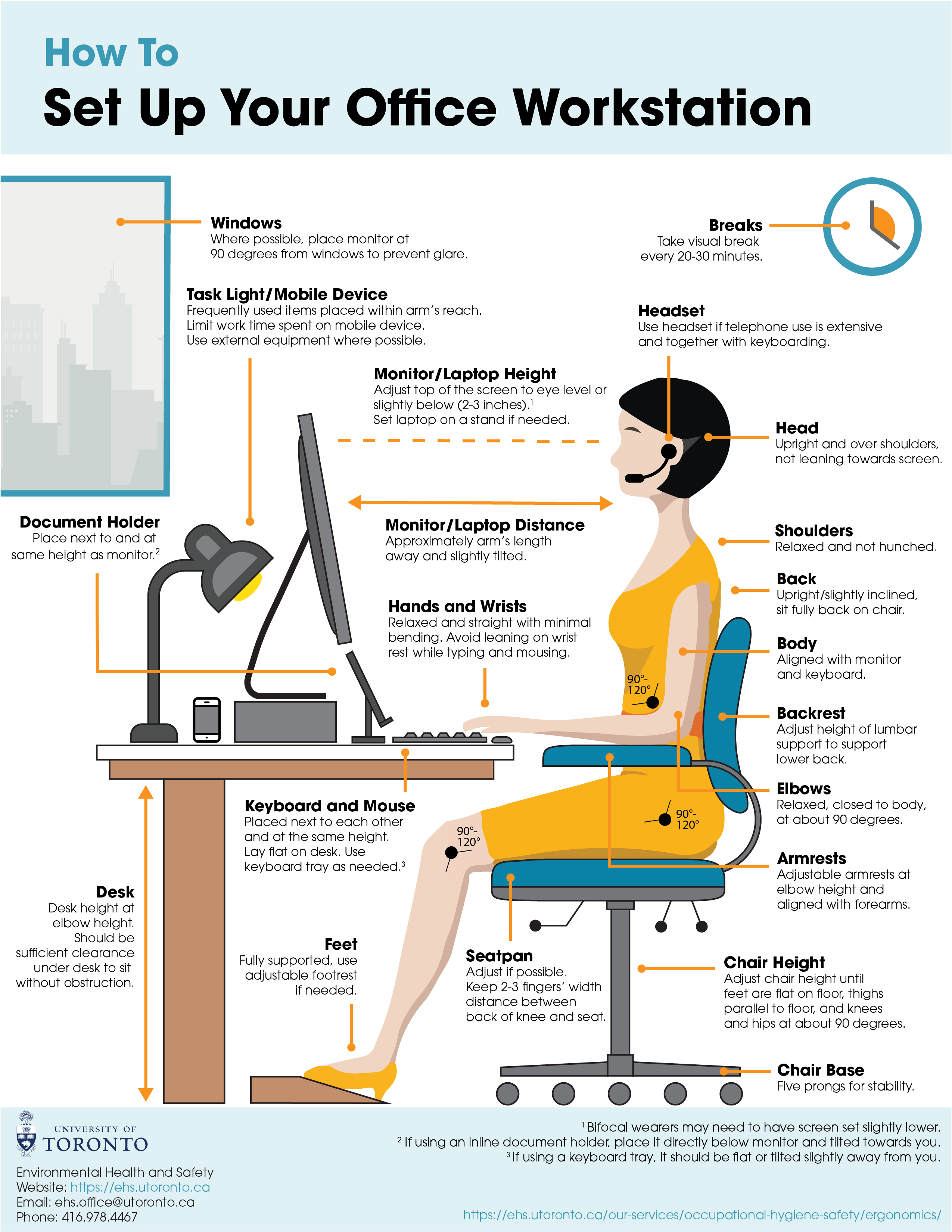
Creating a workspace that fosters creativity is essential for any individual looking to enhance their productivity and innovation. By incorporating ergonomics into your work environment, you can significantly improve not just comfort but also mental clarity. Ergonomically designed furniture, such as adjustable chairs and desks, promotes better posture and reduces the risk of fatigue. This enhanced comfort allows your brain to focus on the task at hand, leading to a more efficient and creative workflow. When your workspace feels good, your mind is free to explore new ideas and solutions.
Additionally, an ergonomically optimized workspace encourages movement and flexibility, both of which are crucial for maintaining high levels of creativity. For instance, implementing standing desks or encouraging frequent breaks allows for increased blood flow and helps combat mental stagnation. You might also consider ergonomic accessories, such as wrist supports or monitor stands, which minimize strain and discomfort. This holistic approach not only enhances physical well-being but also inspires a dynamic atmosphere where creativity can thrive.
Counter-Strike is a highly popular first-person shooter game that pits teams of terrorists against counter-terrorists in various objective-based scenarios. Players must work together, strategize, and improve their shooting skills to secure victory in matches. For those looking to enhance their gaming experience while working remotely, check out the Top 10 iPad Accessories for Remote Work for handy tools that can elevate your productivity.
The Science Behind Comfort: Why Ergonomics Boosts Creative Thinking
Understanding the science behind comfort is crucial for fostering an environment that enhances creativity. Ergonomics, the study of how people interact with their environment, plays a significant role in this process. A well-designed ergonomic workspace minimizes physical discomfort and fatigue, allowing individuals to focus on problem-solving and innovation. Research shows that when employees are comfortable, their productivity increases by up to 25%, which directly correlates with improved creative thinking. By investing in ergonomic furniture and layouts, companies not only prioritize employee well-being but also cultivate a culture of creativity.
Moreover, the psychological aspects of ergonomics cannot be overlooked. A comfortable environment contributes to a positive mindset, which is essential for creative thinking. According to studies, natural lighting and well-structured spaces lead to higher levels of serotonin, a neurotransmitter that affects mood and cognition. When workers feel good in their space, they are more likely to engage in brainstorming sessions and collaborative projects, leading to innovative ideas. In summary, embracing ergonomics is not just about physical comfort; it’s also about creating a mental space that promotes creativity and boosts overall effectiveness in the workplace.
Are You Sitting Comfortably? The Hidden Impact of Ergonomics on Your Creativity
When we ponder the factors that fuel our creativity, we often overlook the profound influence of ergonomics. The comfort and support provided by our workspace play a crucial role in shaping our ability to think innovatively. Poor ergonomics, characterized by uncomfortable seating and improper desk setups, can lead to physical discomfort and fatigue, ultimately stifling our creative flow. According to studies, a well-designed ergonomic environment can enhance not only our productivity but also our capacity for creative thought by allowing us to focus on our ideas rather than our discomfort.
Investing in ergonomics goes beyond just comfort; it directly affects our mental state. A well-structured workspace encourages a positive posture, reducing strain on the body and fostering a sense of well-being. For instance, consider implementing adjustable chairs, standing desks, and proper monitor placements to craft a space that nurtures creativity. Furthermore, many creative professionals have reported that an ergonomic environment helps them engage more deeply with their projects, leading to breakthroughs that are often elusive when one is battling discomfort.