The Science of Ergonomics: How Proper Design Enhances Your Workspace Comfort
The science of ergonomics plays a crucial role in designing workspaces that enhance comfort and productivity. By understanding how our bodies interact with our environment, ergonomic principles can be applied to create a workspace that minimizes strain and maximizes efficiency. Key factors to consider include adjustable furniture, proper placement of tools, and adequate lighting. For example, a chair that supports the natural curvature of the spine can help prevent back pain, while a desk at the right height can reduce excess reach and strain on the shoulders.
To further illustrate the importance of ergonomics, consider the following ergonomic tips that can transform your workspace:
- Use an adjustable chair that provides lumbar support.
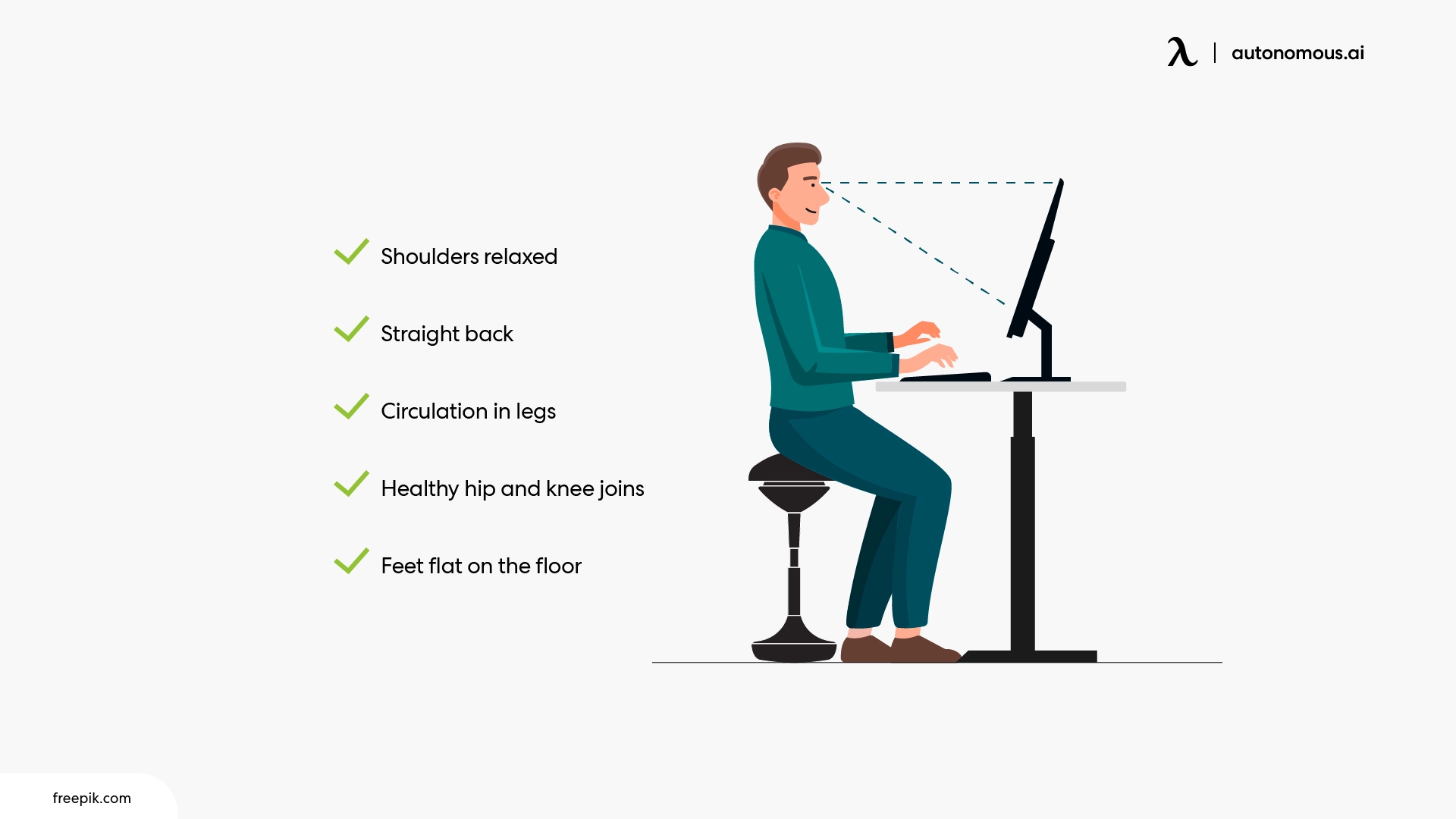
- Position your monitor at eye level to avoid neck strain.
- Arrange your keyboard and mouse so that your elbows are at a 90-degree angle.
- Incorporate a footrest if your feet do not comfortably rest on the floor.
Counter-Strike is a popular multiplayer first-person shooter that has captivated gamers since its initial release in 1999. Players join either the Terrorist or Counter-Terrorist team, each with unique objectives, such as planting or defusing a bomb. The game emphasizes teamwork, strategy, and individual skill, making every match a thrilling experience. For those looking to elevate their gaming experience, you might be interested in the Top 10 Home Office Setups that can optimize your gaming space.
10 Essential Tips for Creating an Ergonomically Friendly Workspace
Creating an ergonomically friendly workspace is essential for maintaining productivity and preventing physical strain. Here are 10 essential tips to transform your office setup:
- Invest in a Quality Chair: Choose an office chair that supports your lower back, encourages good posture, and is adjustable to your height.
- Adjust Your Desk: Your desk should be at a height where your elbows can rest at a 90-degree angle while typing.
- Position Your Monitor: Place your monitor at eye level, about an arm's length away, to reduce eye strain and keep your neck aligned.
- Use Proper Lighting: Ensure your workspace is well-lit to minimize glare on screens and reduce eye fatigue.
- Implement a Standing Desk: Alternating between sitting and standing can improve circulation and reduce the risks associated with prolonged sitting.
In addition to the above tips, consider incorporating frequent breaks throughout your workday. Stand, stretch, or take short walks to enhance your circulation and give your muscles a break. Furthermore, organize your workspace effectively by keeping frequently used items within arm's reach, reducing excessive stretching that can lead to discomfort. Regularly reassess your workspace to ensure it meets your evolving needs and reflects ergonomic principles for long-term health benefits.
Are You Sitting Correctly? Common Posture Mistakes to Avoid in Your Office
In today's fast-paced work environment, many professionals tend to overlook their posture while sitting at the office. Incorrect sitting posture can lead to a range of health issues, including chronic back pain, neck strain, and even long-term musculoskeletal disorders. To maintain a healthy posture, it's essential to be aware of common mistakes such as slouching in your chair, craning your neck forward towards the screen, or sitting with your legs crossed. Remember, maintaining a neutral spine position is crucial for preventing discomfort and enhancing productivity.
To improve your office posture, consider following these simple tips:
- Adjust your chair height: Ensure that your feet are flat on the floor, and your knees are at a right angle.
- Use lumbar support: Incorporate a small cushion or a specially designed ergonomic chair that supports the natural curve of your lower back.
- Position your screen correctly: Keep your monitor at eye level, about an arm's length away, to prevent straining your neck.