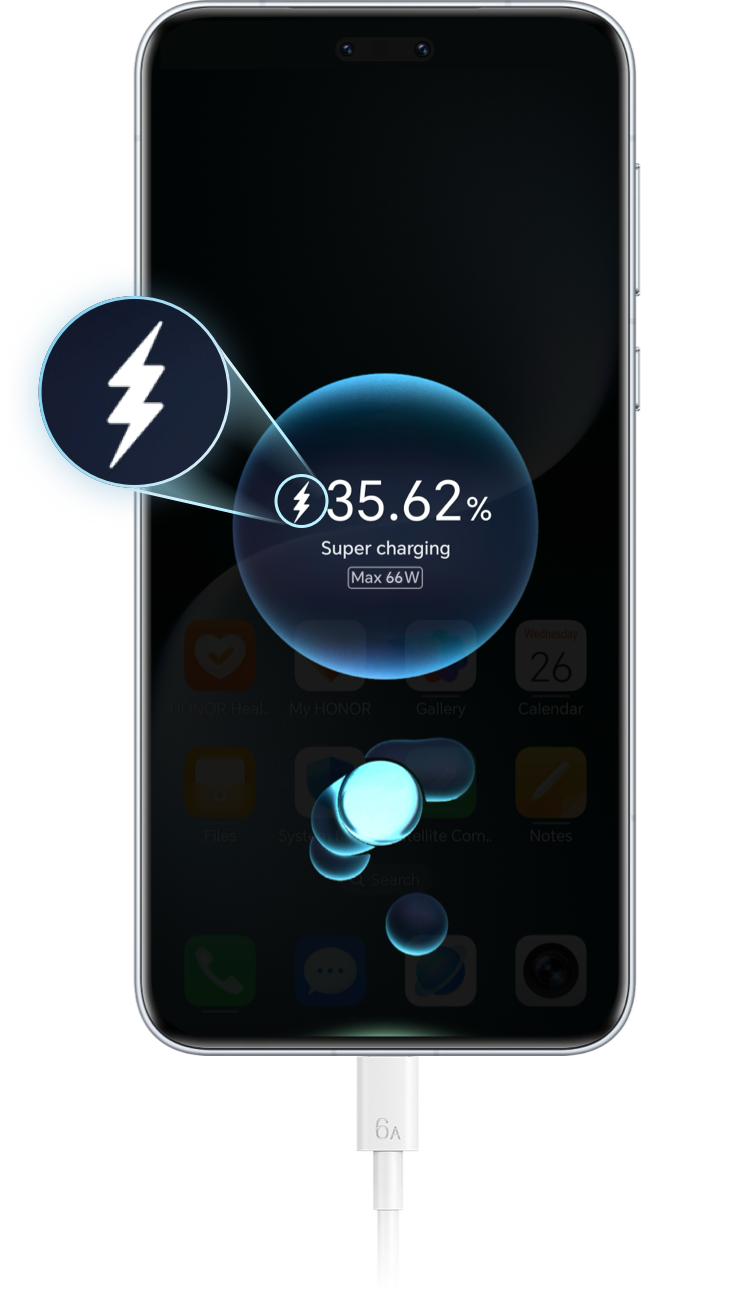
The Science Behind Quick Charging: How It Works
Quick charging technology has transformed the way we power our devices, allowing users to recharge their smartphones and tablets significantly faster than traditional methods. At the core of this innovation is the science of voltage and current. Unlike standard chargers that supply a steady voltage for the entire charging process, quick chargers utilize higher voltage and current levels, which increase the charging speed. This is made possible through the use of smart charging protocols, such as USB Power Delivery and Qualcomm Quick Charge, which communicate with the device to optimize the energy flow based on its capability and needs.
The charging process occurs in stages, with the initial phase, known as the bulk charging stage, allowing a rapid influx of power. As the battery approaches full capacity, the charger shifts to the tapering phase, where the current is gradually reduced to prevent overheating and overcharging. This intricate balance ensures that the battery can sustain its lifespan while benefiting from faster recharge times. By understanding the science behind quick charging, consumers can make informed decisions regarding their charging options, ensuring efficiency without compromising battery health.
Counter-Strike is a popular first-person shooter game that has captivated gamers since its release in the late 1990s. It involves tactical gameplay, where players can choose to be part of a terrorist or counter-terrorist team. For those looking to enhance their gaming experience, it's essential to have reliable equipment, including the Top 10 fast chargers for iPhone for smooth communication and strategy execution during intense matches.
Top 5 Quick Charging Myths Debunked
In today's fast-paced world, the demand for quick charging technology has surged, leading to many misconceptions surrounding it. One of the most common myths is that quick charging harms your device’s battery life. However, modern smartphones are designed with advanced battery management systems that regulate power intake efficiently. According to research, using a quick charger will not significantly degrade your battery's lifespan compared to using a standard charger. In fact, quick charging can be a beneficial feature for users who need to recharge their devices in a limited amount of time.
Another prevalent myth is that all charging cables are created equal when it comes to quick charging. This simply isn't true. Not all cables can support the high wattages that quick charging requires; using an incompatible cable can lead to slower charging times or even damage to your device. To experience the full benefits of quick charging, it's essential to use the appropriate cable specified for your device. Always check for certifications and compatibility, as using the right components can make a significant difference in charging performance.
Are You Charging Your Devices the Wrong Way?
In today's fast-paced digital world, many of us rely heavily on our devices, whether it's smartphones, tablets, or laptops. However, despite our dependence, most users are unaware that they might be charging their devices the wrong way. Charging habits can significantly impact the longevity of your battery life. For instance, did you know that consistently charging your phone overnight can lead to battery degradation over time? It's essential to understand optimal charging practices to avoid damaging your devices and to keep them running efficiently.
One common misconception is that it’s okay to let your battery drain completely before recharging. In reality, lithium-ion batteries, which power most modern devices, thrive on partial charges. Charging your devices the wrong way can include letting them drop below 20% before plugging them in or using incompatible chargers. To maximize your battery health, aim to keep your charge between 20% and 80%. Remember to also avoid exposing your device to extreme temperatures while charging, as this can harm the battery even further.