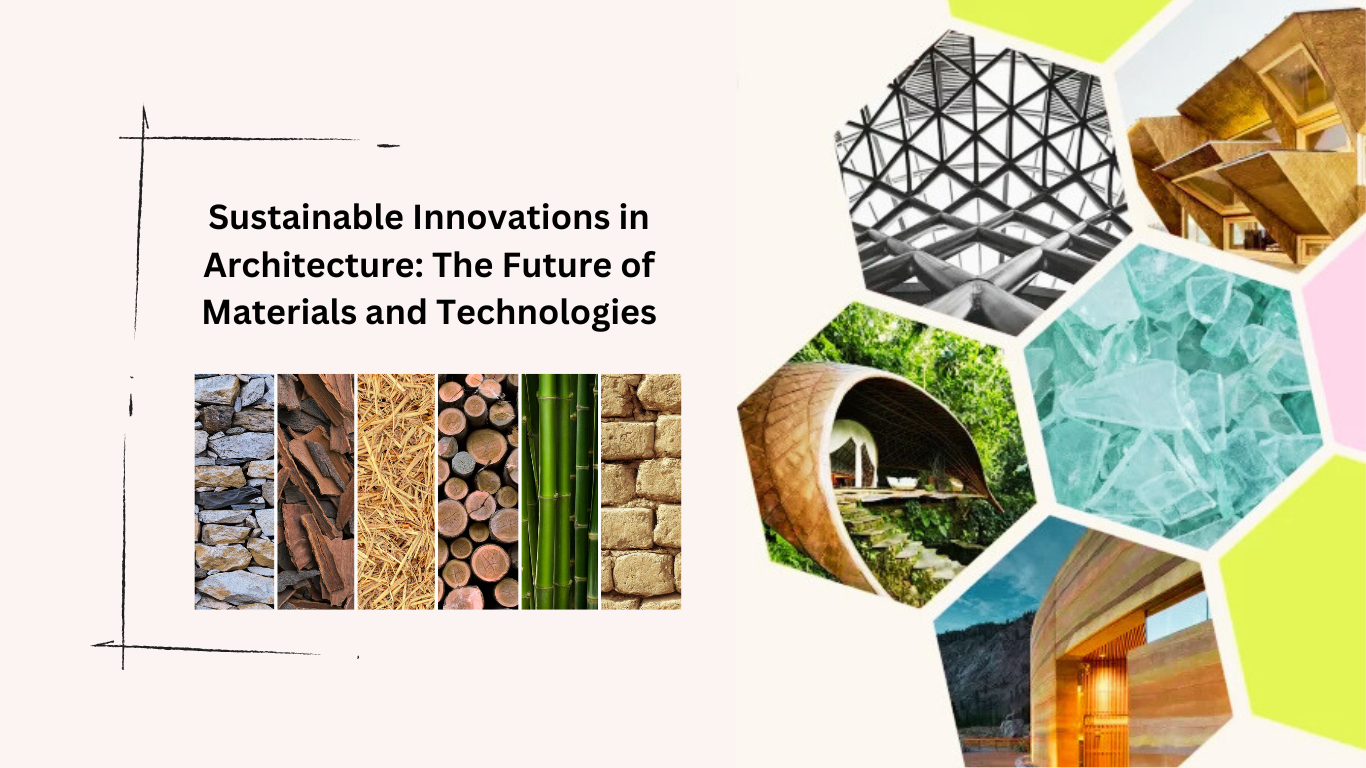
Exploring the Aesthetic Appeal of Durable Materials in Modern Design
The aesthetic appeal of durable materials in modern design lies in their unique ability to blend functionality with visual charm. As designers increasingly prioritize sustainability, materials such as recycled metals, bamboo, and concrete are finding their way into contemporary interiors and exteriors. These materials not only offer strength and longevity but also contribute to a sense of authenticity and character in spaces. For instance, the raw texture of exposed concrete can create an industrial vibe, while the warmth of bamboo adds a touch of nature, highlighting the harmony of practicality and beauty in modern design.
Furthermore, the versatility of durable materials allows designers to experiment with color and form, leading to innovative creations that captivate the eye. In furniture design, pieces made from robust materials can feature striking shapes and finishes, making them statement items in any room. The use of sustainable materials offers an opportunity to emphasize environmental responsibility without sacrificing style. As this trend continues to evolve, the aesthetic appeal of durable materials in modern design becomes not just a choice but a reflection of a lifestyle committed to both beauty and sustainability.
Counter-Strike is a popular tactical first-person shooter game that has evolved over the years, attracting a massive global player base. It involves two teams, terrorists and counter-terrorists, competing in various objective-based game modes. Players can buy weapons and equipment at the start of each round, adding a layer of strategy to the gameplay. For those looking to explore functional accessories, check out the Top 10 MagSafe Wallets with Finger Loops for enhanced convenience while gaming.
Why Strong Materials Matter: The Functional and Emotional Benefits
When it comes to construction, design, and manufacturing, strong materials are essential not just for their practical applications but also for their emotional resonance. They offer a sense of safety and reliability, making them a preferred choice in various industries. For instance, in the construction sector, using strong materials like steel and reinforced concrete ensures that structures can withstand adverse weather conditions and natural disasters. This reliability translates into peace of mind for homeowners and businesses alike, knowing that their investments are protected.
Beyond their functional strength, strong materials evoke an emotional response that can enhance a product's appeal. Many consumers associate durability with quality, leading to increased satisfaction and loyalty. For example, a beautifully crafted wooden table made from high-quality hardwood not only serves its purpose but also becomes a cherished piece in a home, creating lasting memories over family gatherings. In summary, the dual benefits of strong materials—functional reliability and emotional connection—underscore their importance in our daily lives.
Can Durability and Style Coexist? Unpacking the Myths of Material Selection
The debate over whether durability and style can coexist is a common one, especially in the realms of fashion, interior design, and product manufacturing. Many believe that choosing materials that stand the test of time often comes at the expense of aesthetics. However, this perception is rooted in outdated norms. In truth, advancements in material technology have led to the development of innovative options that marry resilience with visual appeal. For instance, materials like high-performance fabrics, engineered wood, and composite materials can be both stunning and robust, proving that longevity does not have to compromise beauty.
It’s essential to unpack the myths surrounding material selection. Many consumers are swayed by the idea that only high-end, breakable materials can offer elegant designs, leading to a cycle of frequent replacements. But by investing in well-designed, durable materials, one can achieve a sustainable style that withstands the test of time, both functionally and aesthetically. Consider elements like eco-friendly finishes or repurposed materials that not only enhance the look of a space or outfit but also contribute positively to the environment. By understanding the options available, consumers can find a harmonious balance between durability and style.